

I know I may be nearing the end of my life. How can I prepare to meet God?
The Catholic Church teaches that a “good death” is not about avoiding suffering or controlling every circumstance. It is about living in God’s grace, being at peace with others, and trusting in His mercy.
When possible, it is wise to begin preparing for death early—while you are still able to pray, reflect, receive the sacraments, and make important decisions with clarity.
(For more information about making end-of-life decisions as a Catholic, download HLI’s free e-book “End-of-Life Decisions: A Catholic Guide for Patients and Families”).
Receive the Sacraments
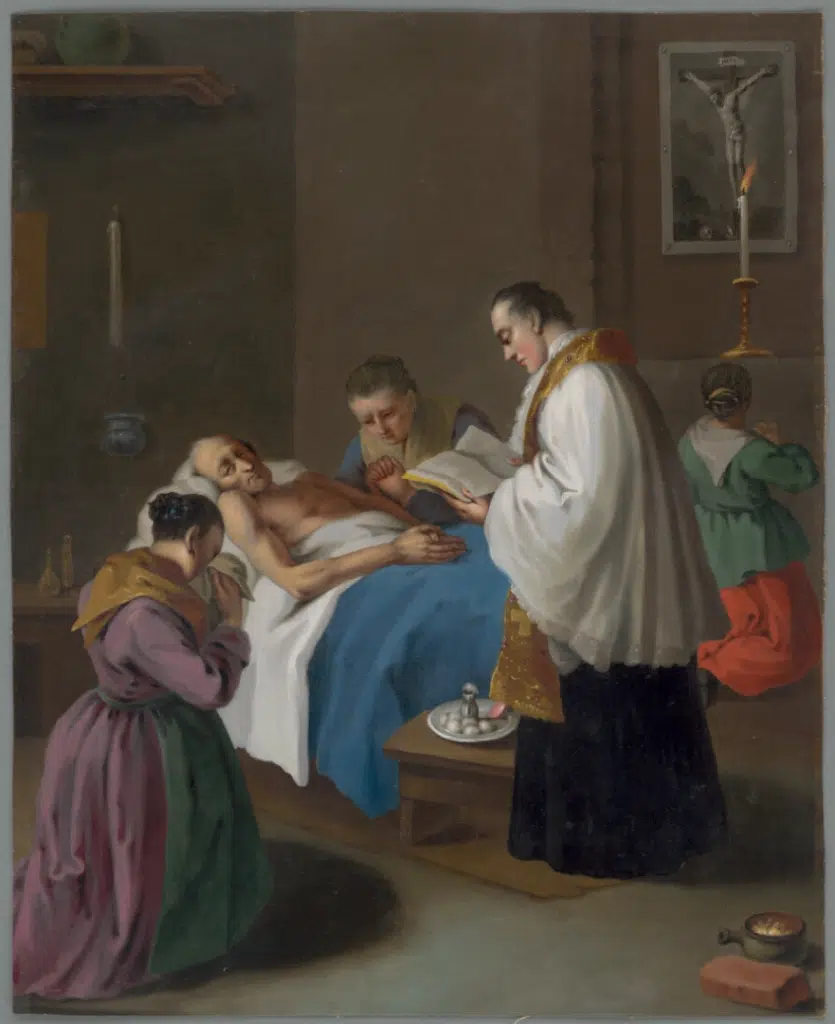
The most important way to prepare for death is to receive the sacraments. Through them, God gives grace, forgiveness, strength, and peace. If possible, a person nearing death should receive three sacraments:
Confession (Reconciliation)
If it has been many years since your last confession, do not be afraid. A priest will guide you. In some cases, it may be helpful to make a more thorough confession of one’s life (sometimes called a “general confession”), but even a simple, sincere confession is enough to receive God’s mercy.
Holy Eucharist (Viaticum)
When possible, a dying person should receive Holy Communion. At the end of life, this is called Viaticum, which means “food for the journey.” In receiving the Eucharist one last time, we are united with Christ and strengthened for the passage from this life to the next.
Anointing of the Sick
The Church offers a special sacrament for those who are seriously ill or nearing death: the Anointing of the Sick. This sacrament brings forgiveness of sins if the person is unable to go to Confession, and it prepares the soul for its final journey.
In some cases, a priest may also offer what is called the Apostolic Pardon at the end of life. This is a special blessing from the Church that removes all temporal punishment due to sin. It is a final gift of mercy, helping the soul prepare to enter fully into God’s presence.
Reconcile and Make Peace with Others
As you prepare to meet God, it is important to be at peace not only with Him, but also with the people in your life. You may find it helpful to take some time to quietly reflect and ask yourself:
- Is there anyone I need to forgive?
- Is there anyone I need to ask forgiveness from?
- Are there relationships in my life that feel unresolved or strained?
- Is there someone I should reach out to, even just to say, “I love you”?
Sometimes, you may not be able to speak directly with someone. In these moments, you can still choose to forgive in your heart and entrust that person to God. You can ask God to bring healing where you cannot.
Put Your Affairs in Order
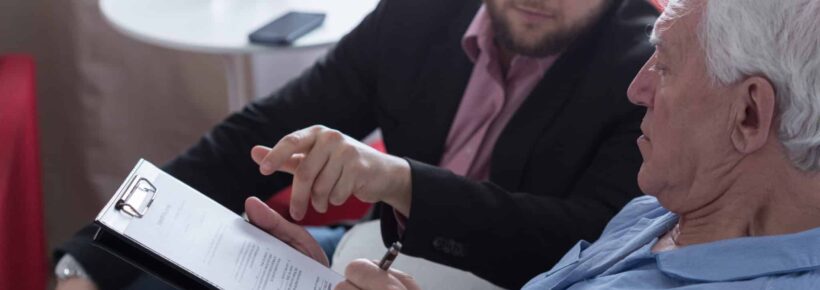
Taking care of your practical affairs can bring you peace and help ease the burden on your family during a difficult time. While this should never take priority over spiritual preparation, it is a meaningful way to care for those you love.
- Do I have a will or estate plan in place?
- Have I clearly communicated my wishes to my family?
- Is there someone I trust to make decisions on my behalf if I am unable?
- Have I organized important documents (such as financial records, insurance information, or account details) so they can be easily found?
- Are there any outstanding debts or obligations I should try to resolve?
- Have I planned for my funeral or burial, in keeping with my faith?
Your preparation can give your loved ones the space to focus on what matters most: praying for you and remembering you with love.
Make Faithful Plans for Your Body After Death
The Church teaches that the human body deserves respect, even after death. Our bodies are not just temporary shells—they are part of who we are, created by God and destined for resurrection.
The Church strongly prefers burial, as it reflects our hope in the resurrection of the body. Cremation is permitted, but the ashes should be treated with the same respect as a body. This means they should be buried or placed in a sacred location, not scattered, divided, or kept as personal objects.
Making these decisions in advance can spare your loved ones confusion and help ensure that your final arrangements reflect your faith.
Living Your Final Days as a Prayer
Make Your Suffering a Prayer
As the end of life approaches, it is natural to experience weakness, discomfort, or even suffering. While this can be difficult, the Church teaches that these final days can become a powerful time of grace.
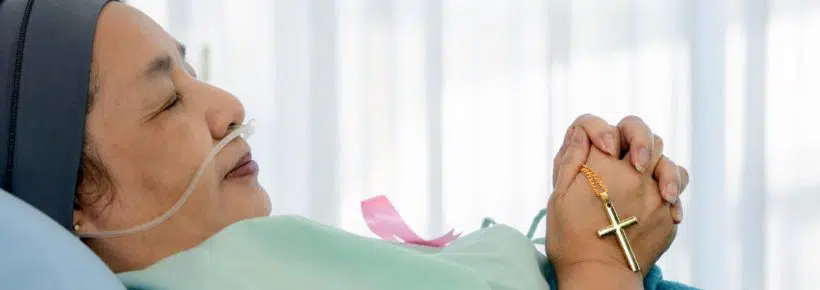
Sufferings take on deep meaning when we unite them to the suffering of Jesus on the cross. You can even offer sufferings for particular intentions—such as your own soul, the souls in purgatory, or someone you love.
This does not mean seeking out suffering or pretending it is easy. It simply means entrusting it to God and allowing Him to bring good from it.
Love Those Around You
Try to treat family members, friends, and caregivers with kindness and patience, even in the midst of suffering. A simple “thank you” or small sign of appreciation can mean a great deal. These small acts are a way of loving those around you, and they help draw your own heart closer to God.
Turning to St. Joseph
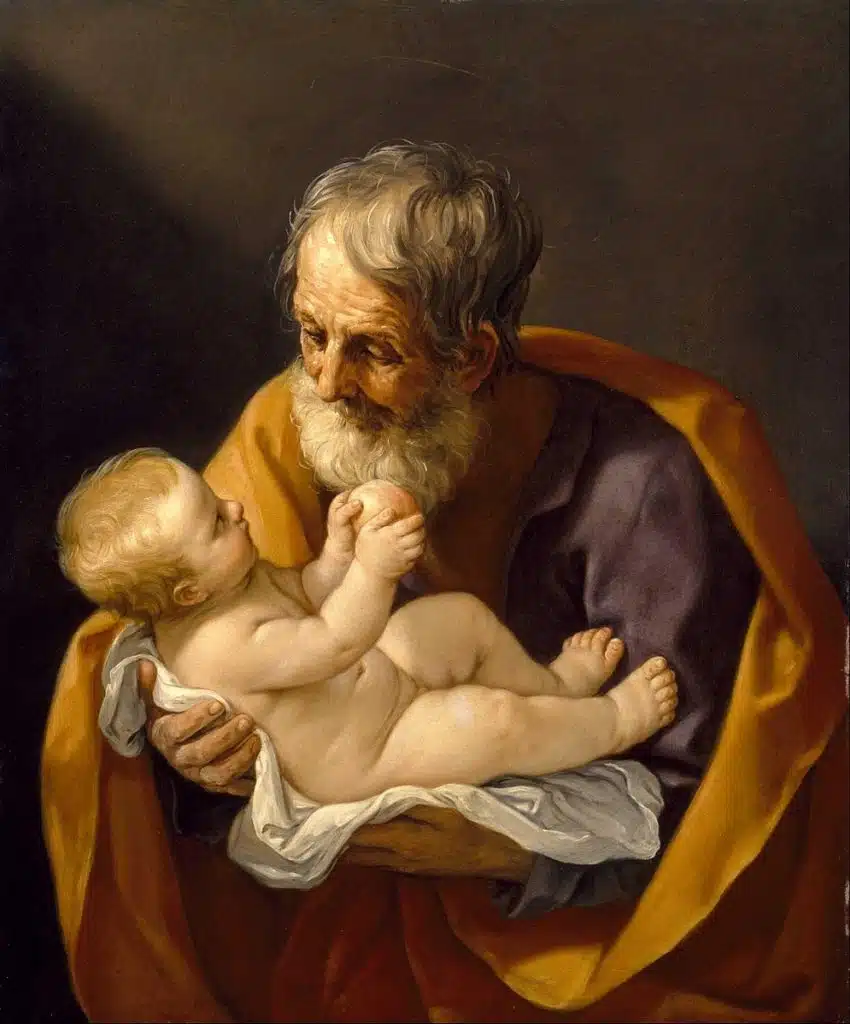
The Church honors St. Joseph as the patron of a happy death. Tradition holds that he died with Jesus and Mary at his side—a peaceful and blessed passing.
If you would like a prayer for a peaceful death, here is a simple prayer you can use that asks for his intercession:
St. Joseph, patron of a happy death,
pray for me in my final days.
Help me to trust in God,
to accept His will with peace,
and to be ready to meet Him with love.
May Jesus and Mary be with me,
as they were with you,
and lead me safely home to God.
Amen.
The Gift of the Mass
Having a Mass offered for a living or deceased person is one of the most powerful ways to help a soul on its journey to God. If you would like to have a Mass offered for a loved one—or to arrange for Masses to be offered after your own death—you may do so through Human Life International.
HLI supports a network of pro-life missionary priests who are honored to offer Masses for these intentions. A small donation (typically around $10) is suggested to support their ministry, but the most important thing is the prayer itself.
To request a Mass, you may visit www.hli.org/giving and include your intention in the comments section of the form.




HLI staff writers bring you stories from the mission field and the latest information on life and family issues. All HLI articles are true to Catholic teaching.