
Stem cell ethics emphasize the importance of preserving and protecting human life from the moment of creation until natural death, and it firmly opposes any research that results in the destruction of human embryos. This aligns with Catholic teaching about the sanctity of human life. Stem cells – special cells that are found in nearly all of the tissues within our bodies – have two main functions. According to the Mayo Clinic, they can “make more cells like themselves,” and they “become other cells that do different things in a process known as differentiation.”
Controversies are extremely prominent in the field of stem cell research, as scientists debate the different kinds and the varying benefits of each. Some stem cells are taken from adults or even from a mother’s placenta. These are ethical sources. But some stem cells are taken from aborted embryos or from embryos created during IVF. We will explore why this is wrong, what the Catholic Church teaches on the subject of stem cell research, and what advancements have been made with a special kind of stem cell.
What Are Stem Cells?
A brief by the Wisconsin Legislative Council explains that “a stem cell is a cell from which other types of cells develop.” Our bodies contain trillions of cells, but stem cells are the only ones that can make copies of themselves or, as the Cleveland Clinic explains, repair the body’s tissues. In theory, that means these cells can develop into nearly anything within the body. And the amazing thing is, since they make copies of themselves, we never run out of them.
Because stem cells are so crucial, researchers can watch how they change and grow over time and learn more about diseases in the hope of determining ways to treat or eradicate them. Today, healthcare providers use stem cell therapy to treat blood cancer, blood disorders, broken bones, and more. Additionally, the Hastings Center for Bioethics says that “stem cells hold great promise for treating degenerative conditions such as Parkinson’s disease and diabetes, understanding genetic illnesses, and answering fundamental questions about human development.”
The Three Main Types of Stem Cells
The Cleveland Clinic explains that there are three main types of stem cells:
- Adult stem cells
- Embryonic (pluripotent) stem cells
- Induced pluripotent stem cells
Adult stem cells
Adult stem cells come from donated adult tissue or from umbilical cord blood that contains these special stem cells. The Notre Dame Center for Stem Cells and Regenerative Medicine explains:
Adult stem cells, also called somatic stem cells, are undifferentiated cells that are found in many different tissues throughout the body of nearly all organisms, including humans. . . . Adult stem cells, which have been found in a wide range of tissues including skin, heart, brain, liver, and bone marrow are usually restricted to become any type of cell in the tissue or organ that they reside (called multipotent). These adult stem cells, which exist in the tissue for decades, serve to replace cells that are lost in the tissue as needed, such as the growth of new skin every day in humans.
Embryonic stem cells
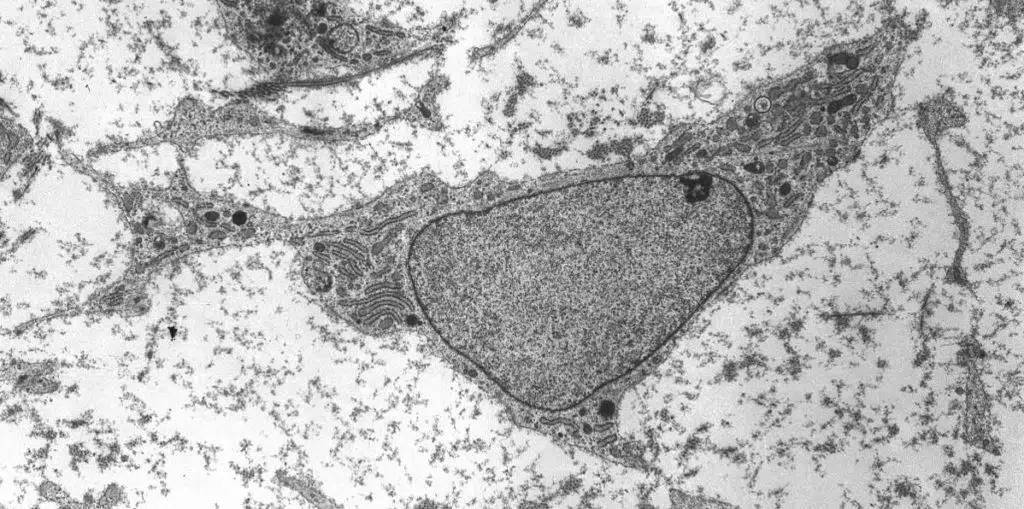
Embryonic stem cells are taken from aborted embryos or from donated embryos created through the process of in vitro fertilization but who were never implanted. According to the Hastings Center for Bioethics, these pluripotent stem cells “are capable of differentiating along each of the three germ layers of cells in the embryo, as well as producing the germ line (sperm and eggs).”
Induced pluripotent stem cells
Induced pluripotent stem cells are made in a lab. Researchers take adult stem cells and alter them to mimic embryonic stem cells. The Wisconsin Legislative Council brief explains: “Once reprogrammed, an induced pluripotent stem cell can become most types of cells in the body. An induced pluripotent stem cell can exhibit essential characteristics of an embryonic stem cell.”
Scientists have used all three types of stem cells in the research and treatment of diseases, but not all are moral. Though pluripotent cells have the ability to become any type of cell within the body, the fact that they come from aborted babies or embryos created through IVF makes their use unethical. It is never morally right to harm or take the life of a human being in an attempt to benefit another. And though the use of induced pluripotent stem cells is ethical, there are certain situations – using them to create human embryos, to clone human beings, or to produce human germ cells – when their use would become unethical.
Is Embryonic Stem Cell Research Ethical?
No, embryonic stem cells research is not ethical, as it involves the destruction – the death – of a tiny human being.
The science of embryology teaches that human life begins when the sperm fertilizes the egg. At this point, an entirely new human being is created. She is not part of her mother’s body; she merely resides there while she develops and grows. From the very first moment of her creation, she has her own DNA and her own identity.
The Catholic Church teaches that this baby must be protected from her very first moment of creation onward. That is why abortion (the intentional killing of this baby) and IVF (the creation of a baby outside the marital act) are egregious offenses against the dignity of the human being.
And because stem cells can come from either aborted babies or IVF, it is unethical and immoral to use these sources.
Common Arguments in Favor of Embryonic Stem Cell Research
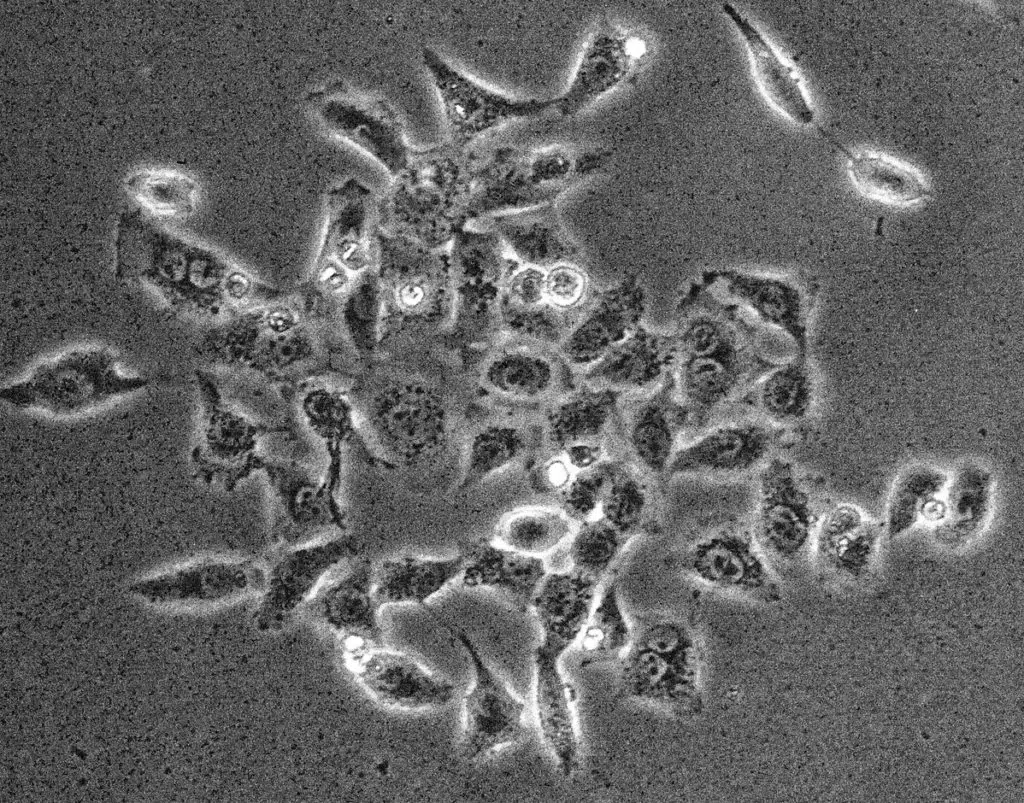
Researchers in favor of using embryonic stem cells to fight diseases or find cures argue that these stem cells are much more effective than adult stem cells or induced pluripotent cells. The Mayo Clinic explains that adult stem cells are not as “versatile and durable as are embryonic stem cells.” This is so because they “may not be able to be manipulated to produce all cell types,” thus causing limitations in how they can be used. It goes on to explain that “adult stem cells are also more likely to contain irregularities due to environmental hazards, such as toxins, or from errors acquired by the cells during replication.”
In other words, the stem cells from a preborn baby are much purer. But they are obtained at a cost.
According to the Hastings Center for Bioethics, adult stem cells – or multipotent stem cells – have limitations that embryonic stem cells don’t have, as they “can only differentiate into cells related to the tissue or organ systems from which they originated – for instance, multipotent blood stem cells in bone marrow can develop into different types of blood cells, but not into nerve cells or heart cells.” But it does admit that these adult cells have more potential than researchers originally thought and are regularly used successfully to perform bone marrow transplants and to replace cells that were damaged by diseases or by treatments such as chemotherapy.
Another argument in favor of using embryonic stem cells is that the bodies of aborted babies or embryos frozen after IVF have already been killed or frozen indefinitely, so putting them to “use” is better than throwing them away or not using them. This utilitarian thought process turns human beings into commodities and serves only to objectify them.
Additionally, according to the Hastings Center for Bioethics, some researchers prefer embryonic stem cells because it reduces any risks to human subjects, as they can target their tests to specific tissue cultures. Yet this discounts the fact that embryos are human. It also claims that, despite the advancements made with induced pluripotent cells, scientists can use only embryonic stem cells to find the answers to their questions about early human development and how cells respond in certain situations. Furthermore, the Hastings Center cautions that reprogramming adult cells could possibly lead to certain types of cancers in the future.
But the fact that there may be some benefits to using embryonic stem cells does not outweigh the dire moral implications.
Ethical Issues with Stem Cell Research
The use of embryonic stem cells can never be ethical because the personhood of the preborn baby cannot and will not change. A human being is created at conception, and there is never a reason to harm her, to end her life prematurely, or to use her for an experiment.
Proponents of using embryonic stem cells often claim that it’s for a “greater good,” but this argument strips away the dignity of the preborn baby. While saving or improving the lives of the sick may seem like a noble cause, we can never permit scientists to take the life of one human being to attempt to benefit another.
Every single person is equally worthy of dignity and deserves protection. The Catholic Church teaches this truth, and stage of development does not determine a person’s value or worth.
Ethical Alternatives to Embryonic Stem Cells
Doctors and researchers have had great success with the use of induced pluripotent stem cells, and ongoing research has shown immense promise. During a phone interview, Dr. William Lile, also known as the Pro-Life Doc, explained to me that doctors and researchers must respect the life of a human being from the first moment of creation; thus, any use of embryonic stem cells is unethical. He explained that using induced pluripotent stem cells is an ethical alternative because “these cells are produced by altering adult cells, like skin cells, to return them to a pluripotent state. This means they can develop into any cell type, similar to embryonic stem cells, but without the ethical concerns.”
In an article on the topic, he wrote that even though adult stem cells are “somewhat specialized . . . they can still transform into different cell types within their tissue of origin.” More importantly, they have already been used to successfully “treat conditions such as leukemia, lymphoma, and certain autoimmune diseases.”
He also explained that umbilical cord blood is “rich in stem cells” and that collecting stem cells from this source is an ethical and successful alternative, especially in the treatment of certain blood cancers and disorders.
During our conversation, Dr. Lile explained additional successes as he introduced me to the CuRe Trial (Cellular Therapy for In Utero Repair of Myelomeningocele) at UC Davis in California. In this trial, doctors have had great success with treating babies in utero who have been diagnosed prenatally with spina bifida—a defect in the spine—and he said they have found the results “very encouraging.” He explained that, instead of opening up the womb and surgically correcting the defect, doctors now take stem cells from the placenta, place them on a tiny patch (about the size of a fingernail), and then surgically apply the patch to the part of the spine with the defect. He explained, “When the stem cells are applied to the defect in the spine, they actually start to generate into normal spinal cord tissue. . . . They are seeing babies who are moving their legs inside of the womb that had not been.” This is an incredible breakthrough!
The Mayo Clinic discussed similar successes in an article about stem cells, reporting that “researchers have been able to take regular connective tissue cells and reprogram them to become functional heart cells. In studies, animals with heart failure that were injected with new heart cells had better heart function and survival time.”
The American Society for Biochemistry and Molecular Biology reported on successful research with diabetes, saying that “in October 2024, researchers in China reported that they successfully restored glycemic control in a patient with Type 1 diabetes using islets derived from chemically induced iPSCs.” It also reported on Japanese research that used induced pluripotent stem cells to successfully treat a rare eye condition. Even though only a few people were in the diabetes and eye studies, researchers have found the results encouraging.
All of these advancements show great promise in morally sound ways.
What Does the Catholic Church Teach about Stem Cell Ethics?
Some scientists claim that an embryo is not a human being but only has the “potential” to become a human being. Embryologists know that this is not true, and the Catholic Church teaches that a human being begins at the moment of creation. An embryo is not “becoming” a person. An embryo is a person, just in a very early developmental stage. That is why embryonic stem cell research is a grave evil.
Dignitas Personae, written by the Congregation for the Doctrine of the Faith, addresses bioethical questions and says that “the use of embryonic stem cells or differentiated cells derived from them – even when these are provided by other researchers through the destruction of embryos or when such cells are commercially available – presents serious problems from the standpoint of cooperation in evil and scandal.”
This cooperation in evil and the threats to human life should preclude any scientist from using embryonic stem cells.
Are Catholics “Anti-Science”?
No, Catholics are not anti-science. In fact, science and faith complement each other; they do not oppose each other. God is the creator of the universe and everything within it. Thus, He created science and all the scientific principles. And He created all human beings in His likeness and image. That is why we are charged with protecting our fellow human beings from the very first moment of their creation.
As Dr. Lile explained to me, “True science will always defend God’s preborn because all true science was created by God.”
As an article in a journal from Notre Dame’s McGrath Institute for Church Life states, “Christianity, in general, and the Catholic Church, in particular, were integral factors in the development of modern science,” as “the Church’s beliefs fostered a conceptual environment conducive to scientific investigation.” It goes on to explain that the Catholic Church “has positively encouraged science . . . in at least two ways: 1) it set up institutions of higher learning that cultivated scholarship in a variety of academic disciplines and 2) as an institution it supported the development of science through explicit encouragement and funding.”
The Catholic Church encourages and supports scientific advancements but only advancements that do not harm human beings.
Final Thoughts: Ethics and Science Should Work Together
One of the greatest gifts God has given us is our intellect. The other is our free will. But He also gives us a framework for how we are to use both. That framework includes the teachings of the Church and the truth that all human beings deserve protection.
While we must use our intellect to the best of our abilities, we must also do so responsibly. Never are we to harm another human being or take the life of even a tiny embryo. All life is valuable. As Catholics, we are obligated to teach this truth. And Catholic leaders—within the Church or within the scientific community—must not only live these truths but uphold the sanctity of life for every human being, from creation onward.
If you would like further information about embryonic stem cell research, you can watch HLI’s podcast episode featuring an interview with Dr. David Prentice of the Charlotte Lozier Institute or read Dr. Brian Clowes’ article on stem cell research.
FAQs
1. Is stem cell research ethical?
Yes, stem cell research is ethical if the source is not from a human embryo.
2. Is embryonic stem cell research controversial?
Yes. It is controversial because it involves the death or destruction of a human being in embryonic form.
3. Are adult stem cells effective?
Yes, they have proven to be effective in many trials and have been used for years to treat various diseases and cancers.
4. Does the Catholic Church support science?
Yes! Many early scientists, such as Nicolaus Copernicus, Gregor Mendel, Louis Pasteur, Jérôme Lejeune, and more were Catholic, and the world has greatly benefited from their knowledge and research. Faith and science can and do go hand in hand.

Related Content











Susan Ciancio has a BA in psychology and a BA in sociology from the University of Notre Dame, with an MA in liberal studies from Indiana University. Since 2003, she has worked as a professional editor and writer, editing both fiction and nonfiction books, magazine articles, blogs, educational lessons, professional materials, and website content. Fourteen of those years have been in the pro-life sector. Currently Susan writes weekly for HLI, edits for American Life League, and is the editor of its Celebrate Life Magazine. She also serves as executive editor for the Culture of Life Studies Program, an educational nonprofit program for k-12 students.
Wow! This article is filled with hard core information about stem cells! I have learned so much about what we as Catholics should abide by. Thank you for this well researched article. 🙏